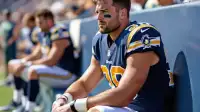

The Los Angeles Rams' ambitious international travel plan for their season opener in Australia didn't quite pan out as intended. Despite consulting experts on jet lag, the team's strategy of arriving in Melbourne just over a day before their game against the San Francisco 49ers resulted in a humbling 27-7 loss. It seems some lessons are learned the hard way when crossing significant time zones.
While the Los Angeles squad opted for a quick turnaround, their Bay Area rivals, the San Francisco 49ers, took a more traditional approach, arriving in Australia a full week ahead of kickoff. The Rams reportedly believed they had a unique solution to the challenges of long-haul travel, hoping to sidestep the usual issues associated with such a significant time zone shift for a professional football game.
This wasn't the Rams' first rodeo on the international stage. In their three previous overseas matchups, they had maintained an undefeated 3-0 record. This included a significant 28-point victory over the Jaguars in London last October, where they had, in fact, used a similar compressed travel schedule. That particular strategy worked to perfection then, offering a deceptive sense of confidence for this latest global venture.
However, the London trip had a crucial difference. According to ESPN, the team flew directly from Baltimore to London after playing the Ravens the week prior. This cut an 11-hour flight down to a more manageable seven hours. Melbourne, Australia, presents a far greater geographical challenge from the West Coast. The flight duration to Australia was reportedly more than double what the team experienced on their European journey, a factor that appeared to be overlooked in the planning. The sheer distance involved prompted a "priceless reaction" from new 49ers wide receiver Mike Evans when he learned of the Rams' late arrival.
Putting together a travel plan is one thing; executing it under physical strain is another. The added stress on the body from the extended flight seemed to manifest on the field, with the Rams appearing sluggish throughout the game. Even with considerable backing and research, the team couldn't overcome these challenges. Postgame, Head Coach Sean McVay acknowledged the ease of blaming the travel plan but insisted it "wasn't the reason why the team 'didn't play well enough'."
Regardless of McVay’s perspective, the Rams' experience serves as a clear cautionary tale for any NFL team considering future games Down Under. They essentially acted as guinea pigs for a high-stakes travel experiment and ended up on the wrong side of the ledger. While one ill-fated travel decision won't define their season, the Rams now stand as the prime example of what not to do when planning a trip to Australia for a professional game.