
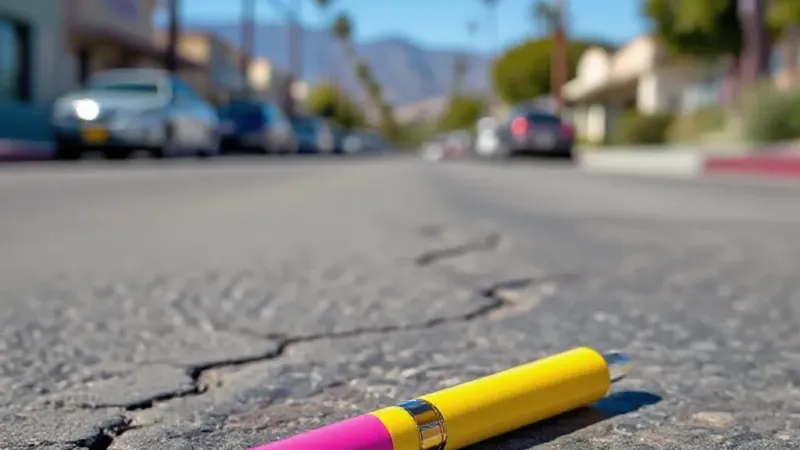
California is moving closer to banning disposable e-cigarettes, with state lawmakers having approved a measure aimed at curbing the devices' environmental and public health impacts. Assembly Bill 762, which passed both the Assembly and Senate, now awaits Governor Gavin Newsom’s signature to become law.
If signed, AB 762 would make it illegal to manufacture, distribute, or sell battery-powered disposable e-cigarettes containing tobacco products within the state. Starting January 1, 2028, only vape devices that are both refillable (or use replaceable pods) and have a rechargeable battery would be legal for sale. Cannabis devices are exempt from the proposed ban.
Assemblywoman Jacqui Irwin (D-Thousand Oaks), the bill’s sponsor, highlighted the environmental toll. “We are hopeful the Governor will recognize the threat these devices pose to our communities and that the costs of cleaning up the mess these devices leave are borne by ratepayers,” she stated in a press release. Disposable vapes have become a persistent problem on streets, beaches, and in parks, where they leak toxic chemicals like lead and lithium, along with microplastics and battery acid. Consumer advocacy group CalPIRG reports that 500,000 disposable vapes are discarded daily across the U.S.
Beyond the trash, these devices pose a significant fire hazard. The small lithium batteries inside disposable vapes, when crushed in waste facilities, can puncture and short-circuit, potentially igniting surrounding materials. This issue has grown so prevalent that industry analysts have termed it "the vape effect," estimating billions in damages globally. The National Waste & Recycling Assn. and Resource Recycling Systems estimate over 5,000 fires occur annually at recycling facilities, heavily driven by lithium-ion batteries. Tony Hackett, a policy associate at Californians Against Waste, noted, “We don’t let other industries design products with embedded fire hazards and walk away when they fail. Vape companies shouldn’t get a pass either.”
Public health concerns are also a driving force behind the legislation. While some research suggests vaping can help adults quit traditional cigarettes more effectively than other methods, California’s Department of Public Health considers e-cigarettes a severe public health threat. The department is particularly concerned about the highly addictive nicotine in modern vape devices and its potential to harm adolescent brain development. The California Youth Tobacco Survey found that in 2023, vapes were the most prevalent tobacco product among high school students in the state.
Industry representatives, however, argue against such bans. Jim McCarthy, a spokesman for manufacturers, commented last spring that vaping is "the single most popular and effective method for Americans to quit smoking cigarettes," and states like California are depriving people of a "life-saving product." Research indicates that while vaping helps some adults quit smoking, it is still dangerous for youths, young adults, and non-smokers, given unknown long-term effects and risks of lung and cardiovascular impairment. A Yale School of Public Health study on San Francisco's 2018 flavor vape ban even found that high school students' odds of smoking conventional cigarettes more than doubled.
The Governor’s office declined to comment on the legislation. If signed, this bill will reshape the landscape for vape products in California, addressing a unique blend of environmental, public safety, and health challenges.